Memory foam pillows are designed to respond to warmth and pressure, gradually contouring to the head and neck. This close-fitting support can help distribute pressure more evenly and maintain a comfortable sleeping position. As part of bedding, these pillows are available in different profiles and firmness levels to suit varied sleep preferences.
When comparing memory foam pillows, consider loft, shape, and how the material responds to movement. A higher-profile pillow may provide more elevation, while a lower profile can better suit people who prefer less lift. Pillow height and firmness should complement a sleeper’s body and mattress, including organic mattresses or latex models.
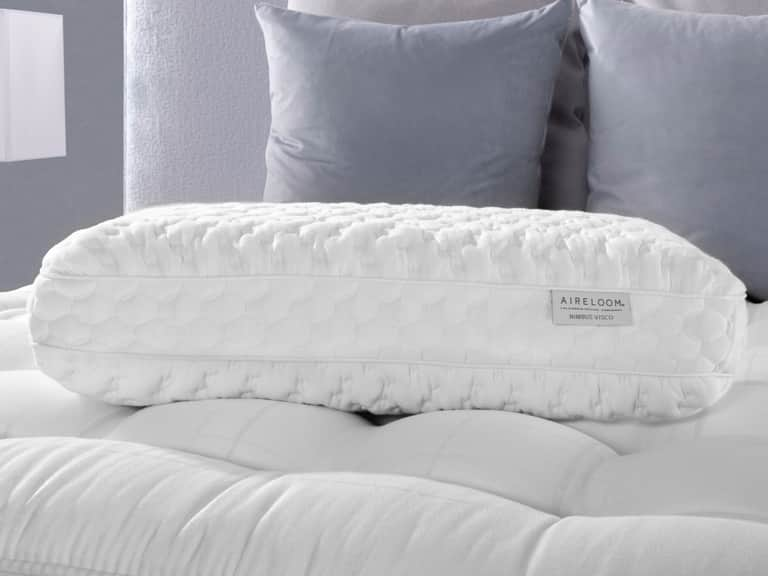
The Aireloom Nimbus Visco High Profile Pillow combines viscoelastic memory foam with a high-profile design. Visco foam conforms to pressure and warmth, while the added height offers substantial elevation for sleepers who need more space between the shoulder and head. These features may support a more aligned, settled posture during rest.
Memory foam’s contouring properties can be useful for side and back sleepers, although comfort depends on individual needs and sleeping position. A high-profile pillow may be especially relevant for broader shoulders or those who find standard pillows too low. Testing pillow height alongside mattress firmness can help assess overall neck support.
Care and material details are also important when evaluating pillows. Follow the manufacturer’s instructions for cleaning and airing, since memory foam is generally not treated like washable fiber fill. Comparing construction, cover materials, loft, and support helps clarify how memory foam pillows fit into bedding needs alongside latex and organic mattresses.
 Bedding