Latex is a natural, breathable material derived from rubber trees that offers a durable, supportive sleeping surface. It is inherently resilient, returning to shape quickly after weight is removed, which helps distribute pressure evenly. For bedding applications, latex can enhance spinal alignment and reduce motion transfer compared with many traditional foams.
In mattress and pillow construction, latex is valued for its hypoallergenic properties and resistance to dust mites, mold, and bacteria. Open-cell or aerated latex increases airflow, improving temperature regulation throughout the night. When selecting latex products, consider density, firmness level, and coil compatibility to achieve personal comfort and support.
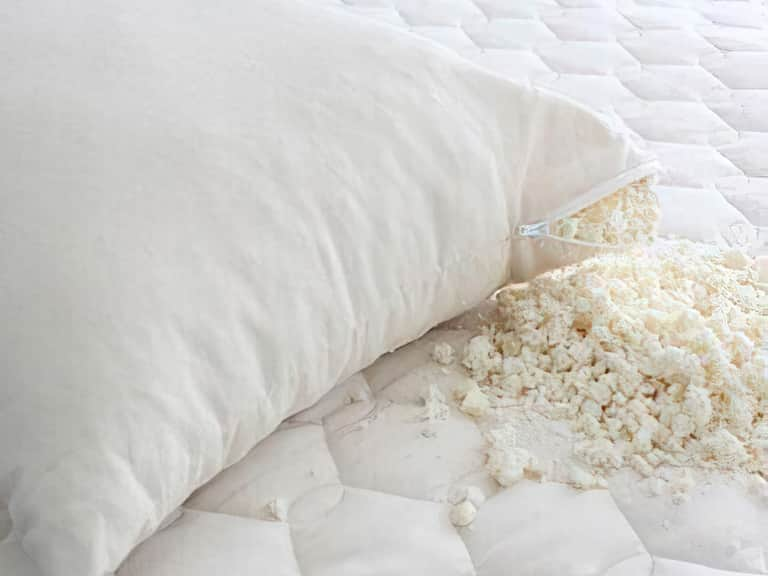
The Savvy Rest Shredded Latex Pillow exemplifies flexible comfort through its adjustable fill. Shredded latex allows customized loft and firmness, enabling users to fine-tune neck support and head elevation. This type of pillow adapts to various sleeping positions, promoting proper cervical alignment and reducing wakeful discomfort.
Within the broader latex category, organic and natural latex options emphasize sustainability and low chemical exposure. Many latex products are paired with breathable covers and natural fibers, contributing to a comfortable sleep environment. For those seeking long-lasting performance, latex's durability often translates to extended product lifespans and stable support over time.
Key considerations for latex bedding include firmness selection, altitude of loft, and compatibility with adjustable beds. Latex can be used across pillow and mattress configurations to support different sleep preferences, including side, back, and stomach positions. Understanding material properties—elasticity, resilience, and aeration—helps in choosing bedding that enhances rest and overall sleep quality.
 Bedding